Baa, Baa, Black Sheep: the lyrics, the notes on the piano, and the French tune it shares with Twinkle
November 25, 2026 · 4 min read
The lyrics of Baa, Baa, Black Sheep, the notes to play on the piano right on the page, and the story of its tune, a French melody from 1761, used by Mozart and by Twinkle, Twinkle, Little Star.
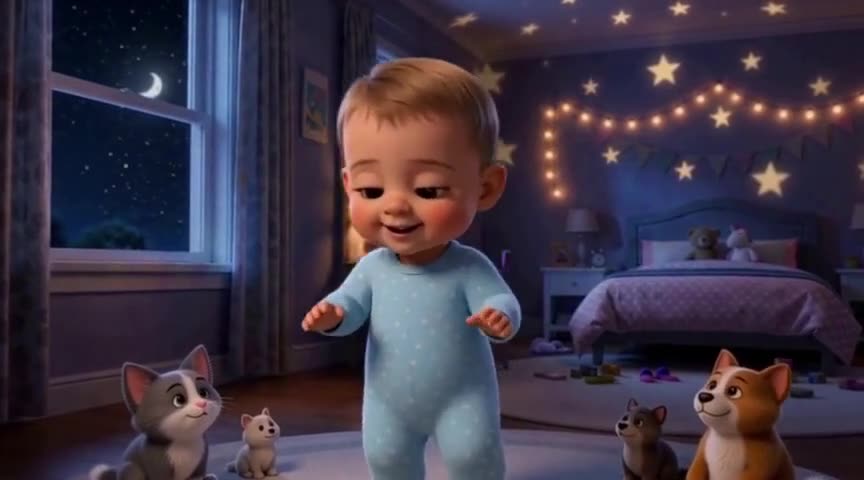
Baa, Baa, Black Sheep is one of the oldest English nursery rhymes, and its tune has gone around the world: it's the same melody as "Twinkle, Twinkle, Little Star", the Alphabet Song and the French "Ah! vous dirai-je, maman". Here are the lyrics children sing, the notes to play it on the piano, and the story of the rhyme and its tune.
The lyrics of Baa, Baa, Black Sheep
Baa, baa, black sheep, Have you any wool? Yes sir, yes sir, Three bags full.
Traditional nursery rhyme, first printed in London around 1744.The rest of the rhyme shares out the three bags: one for the master, one for the dame, the lady of the house, and one for the little boy who lives down the lane. Then many families sing the first lines again to finish. Some older versions share out the bags a little differently.
The notes of Baa, Baa, Black Sheep on the piano
Six notes, from C to A, all side by side: a perfect melody for a first try at the piano. The words of Baa, Baa sometimes squeeze two quick notes onto one, as in "have you any wool", but the tune is the same.
C C G G A A G F F E E D D C G G F F E E D G G F F E E D C C G G A A G F F E E D D C
The story of the rhyme and its tune
The words are English. They first appeared in print around 1744, in "Tommy Thumb's Pretty Song Book", one of the very first collections of nursery rhymes, published in London. You'll often read that the rhyme is about a medieval tax on wool, or a complaint about who took the wool money. It's a nice story, but no evidence has ever been found for it: for children, it's simply a polite sheep sharing out its wool.
The melody is French. It was first published without words in 1761, in Paris, in a collection of music for garden parties, and its composer is unknown. In France, it became the children's song "Ah! vous dirai-je, maman", a child telling their mother that treats are worth more than lessons. Mozart wrote twelve variations on it for the piano, published in Vienna in 1785.
In English-speaking countries, the old sheep rhyme came to be sung to the same melody. In 1806, the English poet Jane Taylor published "The Star", a poem later sung to the same French melody: it became "Twinkle, Twinkle, Little Star". Its lyrics and our version with your child's name are on our page Twinkle, Twinkle, Little Star.
Singing it at bedtime
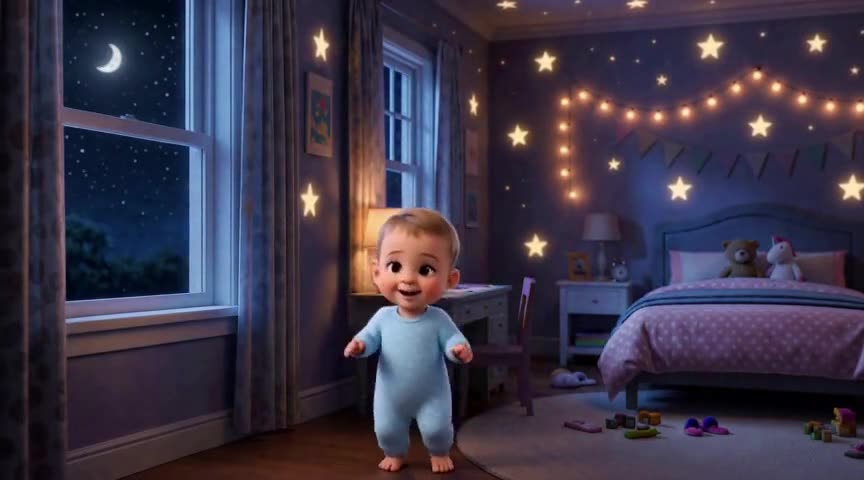
It isn't a lullaby to begin with, but its melody, which climbs and then gently comes back down, sends little ones to sleep very well when sung slowly. Count the three bags on your fingers, then whisper the last line. For bedtime, the star words are even softer. For more ideas, see our lullaby lyrics with your baby's name and Are You Sleeping, Brother John?, with its round.
And if your child loves hearing their name in a song, our animated film Sleep tight, my treasure sings them a lullaby written just for them, with their name in every chorus, and it's your child, drawn from their photo, who falls asleep with their little companions.
Questions parents ask us
Is Baa, Baa, Black Sheep the same tune as Twinkle, Twinkle?
Yes. The same French melody from 1761, with different words: an old English rhyme for Baa, Baa, Jane Taylor's poem for Twinkle, Twinkle, and the letters of the alphabet for the Alphabet Song.
Did Mozart compose the tune?
No. The tune existed before him, published in Paris in 1761. Mozart wrote twelve piano variations on this well-known melody.
What does the rhyme mean?
Nobody really knows. The theory about a wool tax has never been proven. For a child, it's a polite little sheep with three bags of wool to share.
What are the notes?
C C G G A A G, F F E E D D C. Then twice G G F F E E D, and back to the beginning.